ge washer dryer manual
GE Washer Dryer Manual: A Comprehensive Guide
This manual details operation, troubleshooting, and maintenance for your GE washer dryer system, including smart features and down garment care as of 03/05/2026.
GE washer dryer systems represent a blend of convenience and advanced technology, offering integrated laundry solutions for modern households. As of today, March 5th, 2026, these systems are increasingly connected, leveraging platforms like Google Nest for remote control via the Google Home app.
Understanding the capabilities of your GE appliance is crucial for optimal performance and longevity. From basic wash and dry cycles to specialized settings for delicate items like down jackets – requiring dryer balls for fluffiness – a comprehensive understanding ensures effective cleaning and care.
Even older GE models, some over 15 years old, continue to be supported, demonstrating the brand’s commitment. Diagnostic modes, hidden within the machines, aid in troubleshooting issues like a washer not spinning, ensuring continued usability.
Understanding Your GE Model

To fully utilize your GE washer dryer, identifying your specific model number is paramount. This allows access to tailored support and accurate troubleshooting information. GE models, even those dating back to the early 2000s, benefit from available resources, despite some older systems facing eventual support limitations, like the Nest Learning Thermostat.
Key features vary significantly between models, encompassing cycle options, smart connectivity (Google Nest integration), and specialized programs. Familiarizing yourself with these specifications – brightness control, remote operation – enhances your laundry experience.
Understanding the diagnostic modes, a hidden feature in many GE washing machines, empowers users to address common issues independently, such as a washer failing to spin, extending the appliance’s lifespan.
Identifying Your Washer Dryer Model Number
Locating your GE washer dryer’s model number is crucial for accessing specific documentation and support. This alphanumeric code uniquely identifies your appliance, enabling accurate troubleshooting and parts ordering. Typically, the model number is found on a label located inside the washer/dryer door, on the appliance’s back panel, or within the user manual.
The label often includes the serial number as well, providing further detail about the manufacturing date and specific configuration. Knowing both numbers is helpful when contacting GE customer service or searching online for assistance.
Remember, even older GE models, some over 15 years old, still have accessible information, though support may eventually end, as seen with older Nest thermostats.
Key Features and Specifications
GE washer dryers boast a range of features designed for convenience and efficiency. Many models offer smart connectivity, integrating with Google Nest and controllable via the Google Home app for remote operation and voice commands. Cycle options cater to various fabrics, including delicate down garments, benefiting from features like dryer balls for fluffiness.
Specifications vary by model, but commonly include multiple wash/dry cycles, adjustable temperature settings, and large capacity drums. Diagnostic modes, a hidden feature, aid in troubleshooting issues like a washer not spinning.
GE’s historical presence, spanning over 15 years, demonstrates a commitment to appliance innovation, even as support for older products evolves.
Washer Operation
Efficiently operating your GE washer involves proper loading and detergent usage. Ensure garments are loaded correctly to allow for optimal cleaning and prevent damage. Utilize the detergent dispenser guide for accurate measurements, crucial for effective washing.
Selecting the appropriate wash cycle is paramount. GE washers offer diverse cycles tailored to different fabric types and soil levels. Consider the garment’s care label when choosing a cycle. Troubleshooting a non-spinning washer can often be aided by the hidden diagnostic mode.
Regular maintenance, like cleaning the drum, contributes to long-term performance.
Loading and Unloading the Washer
Proper loading maximizes cleaning efficiency and minimizes garment wear. Distribute items evenly within the washer drum, avoiding overloading. Overloading restricts movement, hindering effective washing. Separate delicate items and bulky items to prevent damage during the wash cycle.
When unloading, carefully remove items, checking for any remaining detergent residue. Promptly remove wet clothes to prevent mildew growth. Remember, a diagnostic mode can help if issues arise. Ensure the drum is empty before initiating another wash cycle;
Always check pockets for objects before loading!
Detergent Dispenser Guide
Your GE washer features a multi-compartment dispenser for optimal detergent usage. Typically, one compartment is for pre-wash detergent, another for the main wash detergent, and a separate section for fabric softener or bleach. Always refer to the detergent manufacturer’s instructions for correct dosage.
Avoid overfilling the compartments, as this can lead to residue buildup and reduced cleaning performance. Liquid detergents should be poured carefully to prevent spills. Ensure the dispenser is regularly cleaned to prevent clogs and maintain proper functionality. A hidden diagnostic mode can assist with dispenser-related issues.
Use HE (High Efficiency) detergent only!
Wash Cycle Selection
GE washers offer a variety of wash cycles to accommodate different fabric types and soil levels. Common cycles include Normal, Delicate, Heavy Duty, Quick Wash, and Bulky Items. Carefully select the appropriate cycle based on your laundry load. For down garments, a gentle cycle is recommended to prevent damage to the feathers.
Temperature settings (hot, warm, cold) also impact cleaning effectiveness and fabric care. Utilize the diagnostic mode if a cycle isn’t functioning correctly. Consider water level adjustments for optimal results. Remember, some cycles may have modified spin speeds.
Refer to garment care labels for specific washing instructions.
Dryer Operation
Operating your GE dryer efficiently requires understanding its features. Begin by loading the drum, ensuring items are evenly distributed. Avoid overloading, as this hinders proper tumbling and drying. Select a suitable drying cycle – options typically include Normal, Delicate, Timed Dry, and Air Fluff.
Adjust settings like heat level (high, medium, low, no heat) based on fabric type. Utilize dryer balls for fluffiness, especially with down jackets. Regularly clean the lint filter before each use to maintain airflow and prevent fire hazards. Monitor the drying process and remove items promptly to prevent wrinkles.

Loading and Unloading the Dryer
Proper loading is crucial for efficient drying. Distribute items evenly within the dryer drum to allow for unrestricted tumbling. Avoid overcrowding, as this restricts airflow and leads to uneven drying or extended cycle times. Separate heavier items like towels from lighter garments.
When unloading, check for any remaining moisture. Remove items promptly to minimize wrinkling. Be cautious of hot surfaces, especially after high-heat cycles. Inspect pockets for any forgotten items before starting the dryer. Remember dryer balls, if used, should also be removed after the cycle completes.
Drying Cycle Options
GE dryers offer a variety of cycles to suit different fabric types and drying needs. Common options include Normal, Delicate, Heavy Duty, and Timed Dry. Utilize the Steam Refresh cycle for quick wrinkle reduction without full washing. Explore specialized cycles like Bulky/Bedding for larger items and Sanitize for enhanced hygiene.
Consider the sensor dry options, which automatically detect moisture levels and adjust drying time. Experiment with different heat settings – High, Medium, and Low – based on fabric care labels. Remember to select the appropriate cycle and settings to prevent damage and ensure optimal drying performance.
Understanding Dryer Settings
GE dryer settings allow for customized drying. Temperature control is key – High heat for durable fabrics, Low for delicates. Moisture sensor settings automatically stop the cycle when clothes are dry, preventing over-drying and saving energy. Timed dry offers manual control over drying duration.
Wrinkle Shield™ option periodically tumbles clothes after the cycle ends to minimize wrinkles. Explore the “EcoBoost” option for energy efficiency. Remember to clean the lint filter before each use for optimal performance and safety. Adjust settings based on load size and fabric type for best results;
Smart Features & Connectivity
GE washers and dryers offer enhanced convenience through smart technology. Integration with Google Nest allows remote control via voice commands and the Google Home app. Turn devices on/off, adjust settings, and monitor cycles from anywhere. Cync (C by GE) compatibility expands control options.
Receive notifications about cycle completion and potential issues. Diagnostic modes, accessible through the app, help troubleshoot problems like a washer not spinning. Note that support for older Nest Learning Thermostats (1st & 2nd gen) is ending, impacting connectivity. Explore these features for a streamlined laundry experience.

Google Nest Integration
Seamlessly connect your GE appliances to the Google Nest ecosystem for enhanced control and convenience. This integration enables operation of Cync (C by GE) devices – turning them on/off and adjusting brightness – using simple voice commands. Manage your laundry directly through the Google Home app or a visual interface like the Google Nest Hub.
Enjoy hands-free operation and remote monitoring capabilities. While older Nest Learning Thermostats (1st & 2nd gen) will lose app support, your washer and dryer’s smart features remain accessible through compatible Nest devices and the Google Home platform, offering a connected laundry experience.
Remote Control via Google Home App
The Google Home app serves as your central hub for controlling compatible GE washer and dryer models. Initiate wash or dry cycles remotely, monitor progress, and receive notifications—all from your smartphone or tablet. This feature provides ultimate convenience, allowing you to manage laundry tasks even when away from home.
Customize settings and schedules to fit your lifestyle. The app’s intuitive interface simplifies operation, offering easy access to cycle selections and advanced options. Though support for older Nest thermostats is ending, your GE appliances’ connectivity via the Google Home app remains robust, ensuring a streamlined and efficient laundry experience.
Troubleshooting Common Issues
Encountering problems with your GE washer dryer? This section provides solutions to frequent issues. A common concern is a washer not spinning; utilize the hidden diagnostic mode for troubleshooting. If the dryer isn’t heating, check the power supply and heating element. Error codes displayed offer valuable clues – consult the manual for specific meanings.
Don’t hesitate to explore self-diagnosis before contacting service. Many issues can be resolved with simple adjustments. Remember one user reported not washing a down jacket for six years, highlighting the importance of addressing problems promptly to prevent more significant damage and maintain optimal performance.
Washer Not Spinning
If your GE washer isn’t spinning, first ensure the lid switch is functioning correctly – a safety feature prevents operation with an open lid. Utilize the fantastic hidden diagnostic mode; it’s a powerful tool for identifying the root cause. Check for unbalanced loads, as this triggers a safety stop. Inspect the drain hose for kinks or clogs, hindering water removal.
A blocked drain pump can also cause this issue. Finally, verify the drive belt hasn’t snapped or slipped. Remember, proactive troubleshooting, like using the diagnostic mode, can save costly service calls and restore your washer’s functionality quickly.
Dryer Not Heating
When your GE dryer fails to heat, begin by checking the power supply and ensuring the unit is receiving electricity. A blown thermal fuse is a common culprit – it’s a safety device that cuts power if the dryer overheats. Inspect the heating element for breaks or damage; a faulty element won’t generate heat.
Also, examine the gas valve (for gas dryers) or the igniter (for electric dryers) for proper operation. A clogged lint filter restricts airflow, potentially causing overheating and triggering safety shutoffs. Regular cleaning is crucial! Don’t forget to consult the diagnostic mode for error codes offering specific insights.
Error Codes and Their Meanings
GE washing machines possess a hidden diagnostic mode revealing a range of issues through specific error codes. These codes provide valuable clues for troubleshooting, saving time and potential repair costs. For example, a code indicating a water inlet issue suggests a problem with the water supply or inlet valve.
Other codes might point to motor failures, sensor malfunctions, or drainage problems. Refer to your specific model’s manual (or online resources) for a comprehensive list and detailed explanations of each code. Understanding these signals empowers you to address minor issues independently before calling a technician.
Maintenance and Care
Regular maintenance extends the lifespan of your GE washer dryer. Prioritize cleaning the washer drum to prevent mold and mildew buildup; a monthly cleaning cycle with a washer cleaner is recommended. Critically, the dryer lint filter must be cleaned after every load to maintain optimal airflow and prevent fire hazards.
Establish a schedule for deeper cleaning, including wiping down exterior surfaces and inspecting hoses for cracks or leaks. Following these simple steps ensures efficient operation and prevents costly repairs. Consistent care preserves performance and protects your investment in a GE appliance.
Cleaning the Washer Drum
Maintaining a clean washer drum is crucial for preventing odors and residue buildup. Monthly cleaning is recommended, utilizing a commercially available washer cleaner or a solution of hot water and vinegar. Run a complete wash cycle on the hottest setting, ensuring the drum is empty.
Wipe down the drum’s interior after each use to remove any lingering debris. Pay attention to the rubber gasket around the door, as this area is prone to mold growth. Regular cleaning prevents the transfer of dirt and bacteria to your clothes, ensuring fresh and hygienic laundry results.
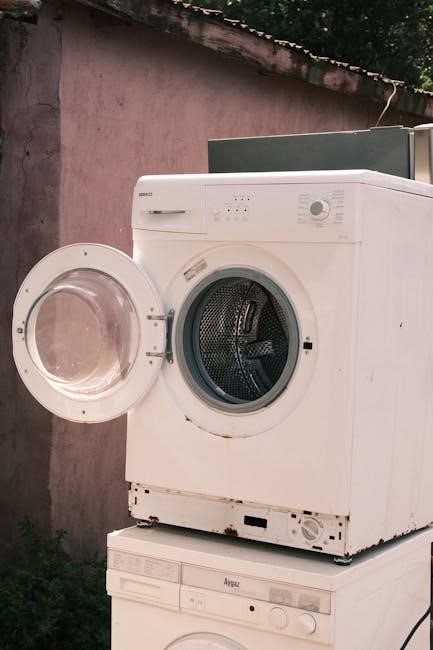
Cleaning the Dryer Lint Filter
The dryer lint filter is a critical safety component and must be cleaned after every load. A clogged filter restricts airflow, increasing drying time and posing a fire hazard. Locate the lint filter, typically inside the dryer drum or near the door, and remove it.
Gently remove the accumulated lint by hand or with a soft brush. Ensure all lint is cleared, and replace the filter securely. Periodically, wash the lint filter with warm water and mild detergent to remove any residue buildup, allowing it to dry completely before reinstalling.
Regular Maintenance Schedule
To ensure optimal performance and longevity of your GE washer dryer, adhere to this schedule. Monthly, clean the washer drum with a dedicated washer cleaner to prevent mold and mildew. Quarterly, inspect and clean the detergent dispenser, removing any residue.
Annually, inspect the hoses for cracks or leaks, and clean the dryer vent duct to maintain proper airflow. Don’t forget the lint filter after every load! Following this routine will help avoid issues like a GE Washer not spinning and keep your unit running efficiently for years.
Down Jacket Washing & Drying
Proper care extends the life of your down garments. When washing, use a down-specific detergent on a gentle cycle. Avoid high temperatures, as they can damage the down clusters. For drying, utilize dryer balls to ensure even fluffing and prevent clumping – some users haven’t washed their jackets in 6 years!
Select a low-heat setting and check frequently. Multiple short cycles are preferable to one long one. This process restores loft and ensures a comfortably warm jacket. Remember, unclumped down is fluffy down!
Washing Down Garments
Maintaining down’s loft requires careful washing. Always use a detergent specifically designed for down, as regular detergents can strip the natural oils. Select a gentle or delicate cycle with cold water to minimize damage. Ensure the jacket is fully zipped and all pockets are emptied before loading into your GE washer.
Avoid using fabric softeners, as they coat the down and reduce its insulating properties. A second rinse cycle is recommended to remove all traces of detergent. Proper washing preserves the down’s ability to trap air, keeping you warm and comfortable.
Using Dryer Balls for Fluffiness
To restore fluffiness after washing, utilize dryer balls during the drying process. These balls gently separate the down clusters, preventing them from clumping together. Typically, three dryer balls are sufficient for a standard-sized down garment. Avoid using dryer sheets, as they leave a residue that diminishes down’s loft.
Select a low heat setting on your GE dryer to prevent damage to the down and outer shell. Check the garment frequently during the drying cycle, fluffing it manually as needed. The dryer balls ensure even heat distribution and a consistently fluffy result, maximizing the garment’s warmth.
Safety Precautions
Prioritize safety when operating your GE washer dryer. Always adhere to general guidelines, ensuring the appliance is properly grounded and installed according to local electrical codes. Never operate the machine if damaged, and disconnect power before any maintenance or cleaning. Keep children and pets away during operation.
Electrical safety is paramount. Avoid using extension cords and ensure the voltage matches the appliance’s requirements. Do not attempt self-repair of electrical components; contact a qualified technician. Regularly inspect the power cord for damage. Following these precautions will ensure safe and reliable operation of your GE washer dryer.
General Safety Guidelines
To ensure safe operation, always read all instructions before using your GE washer dryer. Never allow children to operate or play near the appliance. Do not overload the washer or dryer, as this can cause damage and pose a safety risk. Keep the surrounding area clear of flammable materials.
Always disconnect the power before cleaning or performing maintenance. Do not insert hands into the machine during operation. If the appliance malfunctions, immediately stop use and consult a qualified technician. Proper ventilation is crucial during dryer operation to prevent moisture buildup and potential hazards. Adhering to these guidelines promotes a safe laundry experience.
Electrical Safety Information
To prevent electrical shock and fire hazards, your GE washer dryer must be properly grounded. Never use an extension cord; plug directly into a dedicated, appropriately rated outlet. Do not operate the appliance with a damaged power cord or plug. If damage occurs, immediately discontinue use and contact a qualified service technician for repair or replacement.
Avoid exposing electrical components to water or moisture. Ensure the outlet is compatible with the appliance’s voltage requirements. Disconnect the power supply before any maintenance or cleaning. Improper electrical connections can lead to serious injury or property damage. Always prioritize electrical safety when operating your GE washer dryer.
GE Game Background (Historical Context ─ Irrelevant but present in data)
Interestingly, the “GE” referenced here also relates to a historical gaming context. The game, set in the 18th-century Mediterranean (Baroque period), features European-style architecture and aesthetics. This “GE ” (GE King’s Sword) has been running for over 15 years, fostering a dedicated, though dwindling, player base. Despite its age, some remain deeply invested in this virtual world.
This historical “GE” demonstrates longevity and community, a contrast to modern appliance lifecycles. The game’s detailed visuals and setting offer a unique experience, even as technology advances. It’s a curious parallel to the enduring quality expected from GE appliances.
Google Earth & Gmail Help Resources (Irrelevant but present in data)
While seemingly unrelated to your GE washer dryer, Google provides extensive support resources for its other platforms. The official Google Earth Help Center offers tutorials and answers to frequently asked questions about navigating and utilizing the Earth viewing application. Similarly, the Gmail Help Center assists users with email management and troubleshooting.
These resources demonstrate Google’s commitment to user support, mirroring the intention behind this GE washer dryer manual. Though distinct products, both emphasize accessibility and problem-solving. Finding answers quickly is crucial, whether exploring the globe or operating your laundry appliances.
Environmental Engineering Terminology (Irrelevant but present in data)
Though unrelated to appliance operation, environmental engineering utilizes specific terminology. Terms like “ (gé zhà)” – referring to grates or screens – are crucial in wastewater treatment processes. Understanding these concepts, while not directly applicable to your GE washer dryer, highlights the precision of technical language.
This field focuses on protecting the environment and human health, often involving complex systems and careful consideration of resource management. Just as a GE washer dryer efficiently uses water and energy, environmental engineering strives for sustainable solutions. The emphasis on process and efficiency connects these seemingly disparate fields.
Fairness and Personal Choice (Irrelevant but present in data)
The decision to maintain appliances, like a GE washer dryer, or replace them reflects personal choice and financial considerations. Some prioritize longevity, even foregoing newer features, while others seek the latest technology. This mirrors broader life choices – balancing cost, convenience, and individual values.
Fairness also plays a role in product lifespan and support. The discontinuation of support for older Nest thermostats highlights the tension between innovation and consumer expectations. Choosing a GE appliance involves assessing long-term support and repair options, ensuring a fair investment for your needs.